
The Value of a Yoga Teacher and a Healer
Shifting the Narrative of a "starving artist"

In a world increasingly fractured by stress, speed, and disconnection, the work of yoga teachers and healers serves as an essential balm. They hold space for transformation—often in quiet, unseen ways. Yoga teachers guide not just the body, but the breath, the nervous system, and the deeper layers of the psyche. Healers, in their many forms—whether through energy work, touch, words, or ritual—help others reclaim parts of themselves lost to trauma, fatigue, or disempowerment.
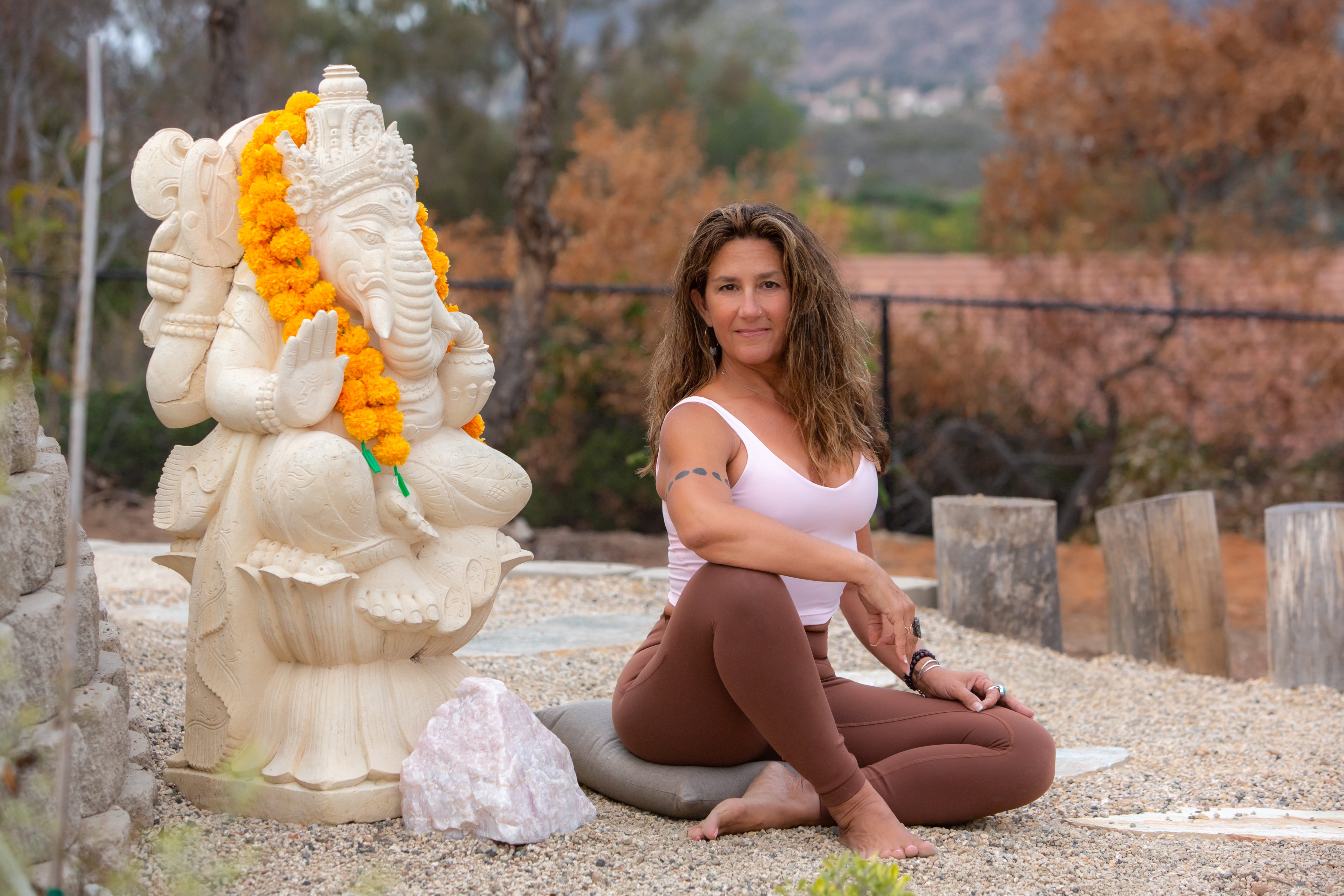
This is not luxury work. It is soul work. Preventative care. Reconnection.
Yet despite the depth of impact they offer, many yoga teachers and healers struggle financially. Their value is often underestimated in economic terms—even as their students and clients experience life-altering shifts. This contradiction is a symptom of a deeper imbalance in our cultural priorities.
The Dissolution of the Starving Artist (and Healer) Syndrome
The myth of the “starving artist” or the underpaid healer is rooted in a romanticized idea that spiritual or creative work must come with sacrifice. That purity is proven through poverty. This myth is not only outdated, it's harmful. It conditions gifted individuals to devalue their worth and stay small.
But we are seeing a shift. More artists, teachers, and healers are now stepping into empowered pricing, collaborative models, and conscious business practices. The dissolution of the starving archetype doesn’t mean commodifying the sacred—it means recognizing that sustainability is necessary for longevity.
Flourishing is not greed; it’s fuel. When those who offer healing and expansion are nourished, their ripple effect is deeper, more potent, and more available to all.
The Cost of Living Has Increased—Why Hasn’t Their Pay?
Rents rise, groceries inflate, and energy bills swell. But the average class rate or healing session fee hasn’t budged in years. Why? Partly, because the systems that shape our economy still prioritize productivity over presence. Yoga and healing are often lumped into the "wellness" category—seen as optional extras, not necessities.
Additionally, many in these professions are taught (explicitly or implicitly) that asking for more is unspiritual. That charging what they’re worth might make them less "authentic." This internalized scarcity keeps prices stagnant while everything else inflates.
It’s also a matter of systemic neglect: yoga and healing are not recognized as integral healthcare or education, so they lack institutional support or public funding. Without insurance coverage, grants, or policy recognition, practitioners are forced into private markets—and often undercharge to remain accessible, even at personal cost.
What’s Needed
Cultural Revaluation: Society must begin to see this work as essential infrastructure for mental, emotional, and spiritual health.
Empowered Practitioners: Teachers and healers need business education, community support, and mindset shifts that allow them to thrive.
Accessible Models that Work: Sliding scales, group work, digital offerings, and tiered pricing can help bridge the gap between accessibility and abundance.
Policy Recognition: A broader public health model that includes holistic care could shift the financial realities for millions.
A yoga teacher or healer isn’t just offering a class or a session—they’re restoring a lineage of care, presence, and inner freedom. It’s time their compensation matched their contribution.
Let them be well-paid.
Let them be honored.
Let them thrive.